
Description:
Discover common mobility challenges, their impact, and practical solutions to improve mobility and independence for those facing mobility impairments.
Introduction
Mobility is something many of us take for granted. But for millions of people, moving around isn’t as simple as just getting up and walking. Mobility challenges affect individuals of all ages due to disabilities, aging, mascular dystrophy or medical conditions. But what exactly are these challenges, and how can we overcome them? In this article, we’ll explore the key aspects of mobility issues and practical solutions to improve independence and quality of life.
Table of Contents
| Sr# | Headings |
|---|---|
| 1 | Understanding Mobility Challenges |
| 2 | Common Causes of Mobility Issues |
| 3 | The Impact on Daily Life |
| 4 | Psychological and Emotional Effects |
| 5 | Mobility Aids and Assistive Devices |
| 6 | Home Modifications for Accessibility |
| 7 | Transportation Challenges & Solutions |
| 8 | Physical Therapy & Exercise |
| 9 | Role of Caregivers and Support Systems |
| 10 | Government and Community Support |
| 11 | Technological Advancements in Mobility |
| 12 | Overcoming Social Barriers |
| 13 | Financial Assistance and Insurance |
| 14 | Tips for Improving Mobility |
| 15 | Conclusion |
1. Understanding Mobility Challenges
Mobility challenges refer to difficulties in moving independently due to physical impairments, injuries, or neurological conditions. They can range from mild difficulties, like trouble climbing stairs, to complete immobility requiring assistance.
2. Common Causes of Mobility Issues
- Aging: As we grow older, muscle strength and joint flexibility decrease.
- Injuries: Accidents leading to fractures, sprains, or spinal cord injuries can limit movement.
- Chronic Conditions: Diseases like arthritis, multiple sclerosis, Mascular Dystrophy and Parkinson’s affect mobility.
- Neurological Disorders: Stroke and cerebral palsy can impact movement and coordination.
3. The Impact on Daily Life
Limited mobility affects basic tasks such as walking, cooking, or even personal hygiene. Simple activities like shopping or visiting friends become difficult, leading to isolation and dependence on others.
4. Psychological and Emotional Effects
Struggling with mobility isn’t just a physical issue—it impacts mental health too. Depression, anxiety, and frustration are common among those who feel restricted in their independence.
5. Mobility Aids and Assistive Devices
Several tools can help improve mobility:
- Wheelchairs and Walkers: Provide support for those with severe difficulties.
- Canes and Crutches: Assist with balance and stability.
- Prosthetics: For individuals with amputations.
- Exoskeletons: A technological advancement helping paralyzed individuals walk.
6. Home Modifications for Accessibility
Adapting living spaces can make a huge difference:
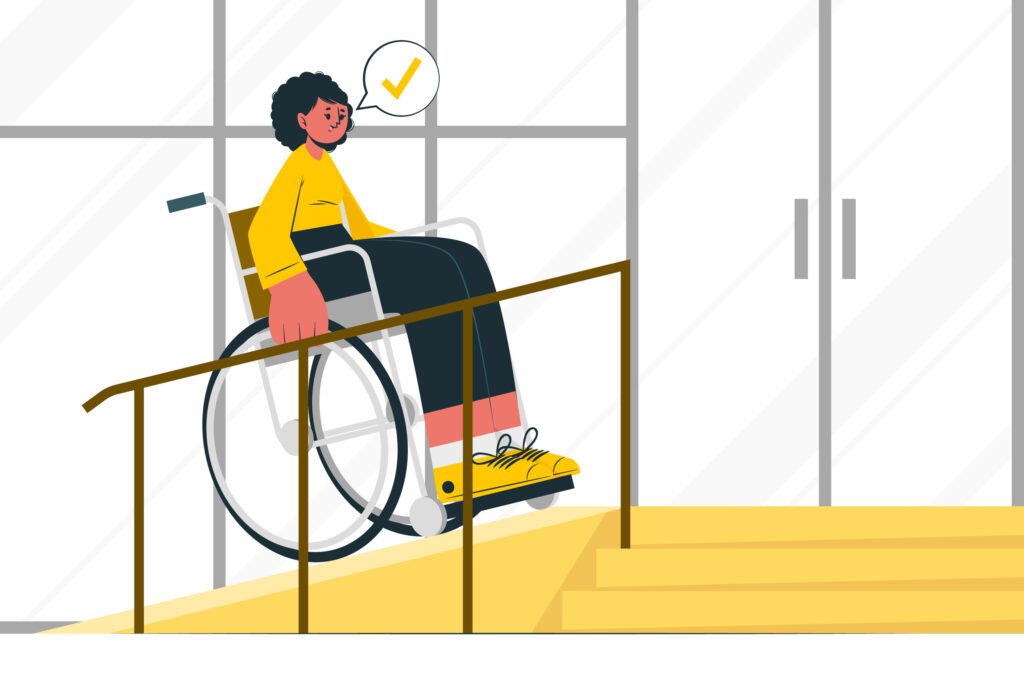
- Installing Ramps: Instead of stairs for wheelchair users.
- Grab Bars: In bathrooms for extra support.
- Wider Doorways: For easier wheelchair access.
- Adjustable Beds and Chairs: To enhance comfort and ease movement.
7. Transportation Challenges & Solutions
Public transportation isn’t always accessible. Solutions include:
- Wheelchair-accessible vehicles.
- Ridesharing services that cater to disabled passengers.
- Better urban planning to include ramps and elevators.
8. Physical Therapy & Exercise
Movement-based therapies help maintain strength and flexibility. Low-impact exercises such as swimming, yoga, and seated stretches can greatly enhance mobility.
9. Role of Caregivers and Support Systems
Family members, professional caregivers, and community support play a vital role in assisting those with mobility issues. Emotional encouragement and physical assistance help maintain dignity and independence.
10. Government and Community Support
Many governments provide financial aid, accessible housing, and transport solutions for individuals with mobility impairments. Community programs also offer support groups and resources.
11. Technological Advancements in Mobility
Innovations are making mobility easier:
- Smart Wheelchairs: Controlled by voice or eye movements.
- AI-powered prosthetics: That mimic natural movements.
- Mobile Apps: To locate accessible places and services.
12. Overcoming Social Barriers
Society often underestimates the potential of those with mobility impairments. Encouraging inclusive policies in workplaces and schools can help create equal opportunities.
13. Financial Assistance and Insurance
Mobility aids and medical treatments can be expensive. Many insurance plans cover part of the costs, and there are grants available to support those in need.
14. Tips for Improving Mobility
- Stay Active: Even mild movement can help prevent stiffness.
- Use Proper Support: Invest in the right mobility aids.
- Seek Medical Advice: Doctors and therapists can provide personalized strategies.
- Join Support Groups: Sharing experiences with others in similar situations can be uplifting.
15. Conclusion
Mobility challenges may seem overwhelming, but with the right support, tools, and mindset, they can be managed effectively. From assistive devices to community support, there are numerous ways to regain independence and enhance the quality of life.
FAQs
1. What are the most common causes of mobility challenges? Aging, chronic conditions, injuries, and neurological disorders are the primary causes of mobility impairments.
2. How can mobility challenges impact mental health? Limited mobility can lead to social isolation, frustration, anxiety, and depression due to reduced independence.
3. What assistive devices help with mobility? Wheelchairs, canes, walkers, prosthetics, and advanced exoskeletons are some of the common mobility aids available.
4. How can homes be modified for better accessibility? Installing ramps, grab bars, wider doorways, and adaptive furniture can make homes more accessible for individuals with mobility issues.
5. What financial assistance is available for mobility aids? Many insurance plans cover mobility aids, and government programs or charities may provide grants for individuals who need financial help.
By understanding mobility challenges and finding the right solutions, individuals can live more comfortably and independently despite their limitations.
A